
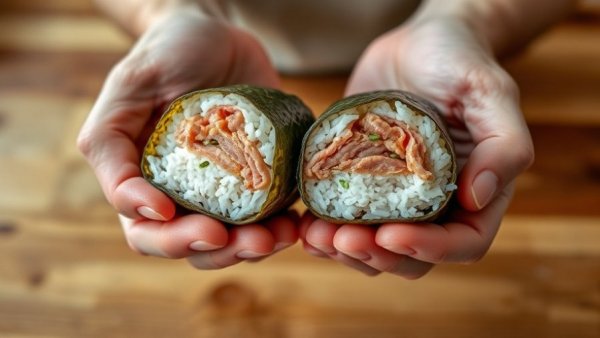
The Unique Origin of Hawaii's Favorite Snack
Hawaii's favorite snack, the beloved Spam musubi, has an interesting backstory rooted in World War II. As American troops were stationed in the Pacific, they brought with them canned goods, including Spam. This meat product became a staple for the soldiers due to its long shelf life and easy preparation, making it a primary source of protein during the war.
In 'The story behind Hawaii’s favorite snack starts in World War II,' the video dives into how Spam musubi originated, prompting us to explore its deeper cultural significance in Hawaii.
After the war, Spam found a special place in Hawaiian cuisine. Locals began to innovate by combining it with sushi rice and wrapping it in seaweed, creating the delicious musubi we know today. This snack bridges multicultural flavors and tells the story of resilience and adaptation.
A Community Connector
Beyond its savory taste, Spam musubi serves as a unique emblem of Hawaiian culture. It's not just a snack; it's a way for families to connect, and it often graces potlucks and gatherings. This simple dish has fostered community bonding and is enjoyed by people of all ages across the islands.
A Resilient Legacy
The enduring popularity of Spam musubi signifies more than just a historical event; it highlights the capacity of communities to evolve and embrace new traditions. It reminds us how wartime ingenuity transformed into a cherished culinary creation that brings joy and sustenance.
So next time you enjoy Spam musubi, remember that you’re tasting a part of Hawaii’s diverse history—a delicious legacy born from necessity, unity, and love.




Write A Comment